
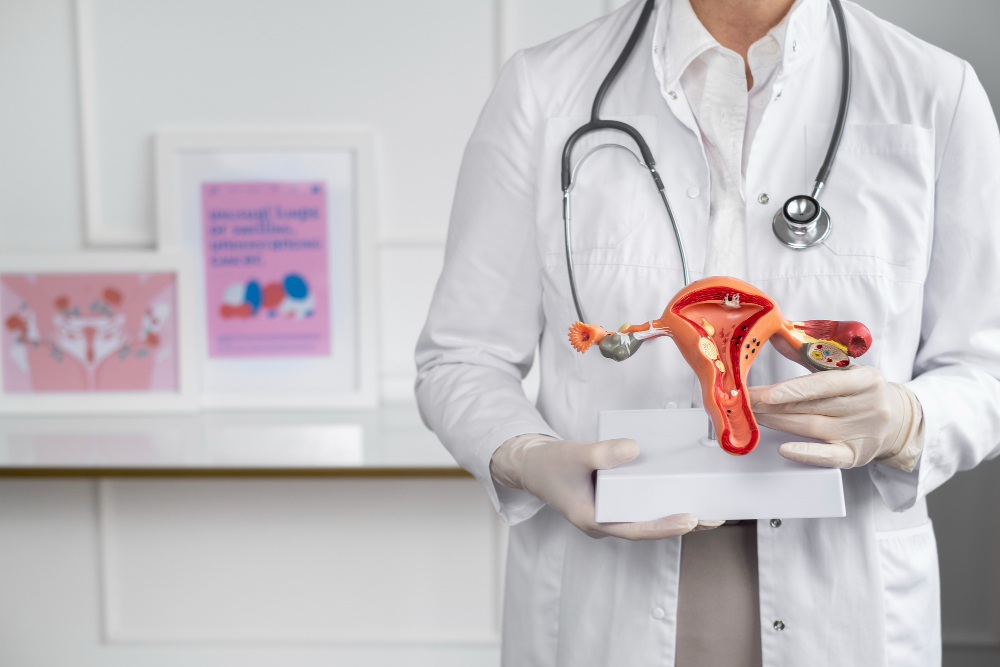
What is Endometriosis?
Endometriosis is a health condition where tissue, similar to the lining inside the uterus, grows outside it. This tissue can cause pain, swelling, and other problems. Many women of childbearing age experience endometriosis. Although it is common, many people do not know they have it. Early awareness can help with endometriosis pain relief and better management.
Common Symptoms of Endometriosis
Not everyone with endometriosis has the same symptoms. However, some signs are more common. For example, you may notice pain or changes in your monthly cycle. Sometimes, symptoms can be mild. Other times, they can be severe. Here are some signs to watch for:
Even though these symptoms are common, they can also be caused by other conditions. So, it is important to talk to a doctor if you notice them.
Causes and Risk Factors
Doctors do not know the exact cause of endometriosis. Still, some factors may raise your risk. For instance, having a family member with endometriosis can increase your chances. Also, starting your period at a young age or having short monthly cycles may play a role. Here are some known risk factors:
Although these factors can increase risk, anyone can develop endometriosis. Therefore, knowing the signs is important for early care.
How Endometriosis is Diagnosed
Diagnosing endometriosis can take time. Often, symptoms are similar to other health problems. First, your doctor will ask about your symptoms and medical history. Next, they may do a pelvic exam. Sometimes, imaging tests like ultrasound or MRI help find signs of endometriosis. However, the only way to confirm the diagnosis is through a minor surgery called laparoscopy. During this procedure, a doctor looks inside your belly with a small camera. This endometriosis diagnosis process helps find and sometimes treat the problem at the same time.
Treatment Options for Endometriosis
Treatment for endometriosis in women depends on symptoms and future plans for pregnancy. While there is no cure, many options can help manage pain and improve life quality. Here are some common treatments:
Because every woman is different, your doctor will help choose the best treatment for you. In some cities, you can find special clinics for endometriosis treatment.
Lifestyle Tips and Self-Care
Even though medical treatment is important, self-care can also help. For example, making small changes in your daily routine may ease symptoms. Here are some tips for managing endometriosis pain:
Additionally, joining a support group can help you feel less alone. Many women find comfort in sharing their experiences.
Prevention and When to See a Doctor
Currently, there is no sure way to prevent endometriosis. However, knowing your risk and watching for symptoms can help. If you have ongoing pelvic pain, heavy periods, or trouble getting pregnant, see a doctor. Early diagnosis can lead to better endometriosis pain relief and treatment.
In summary: Do not ignore your symptoms. Instead, reach out for help when you need it. Consult a healthcare specialist at Shraddha Women’s Hospital & IVF Centre for personalized advice and care.